
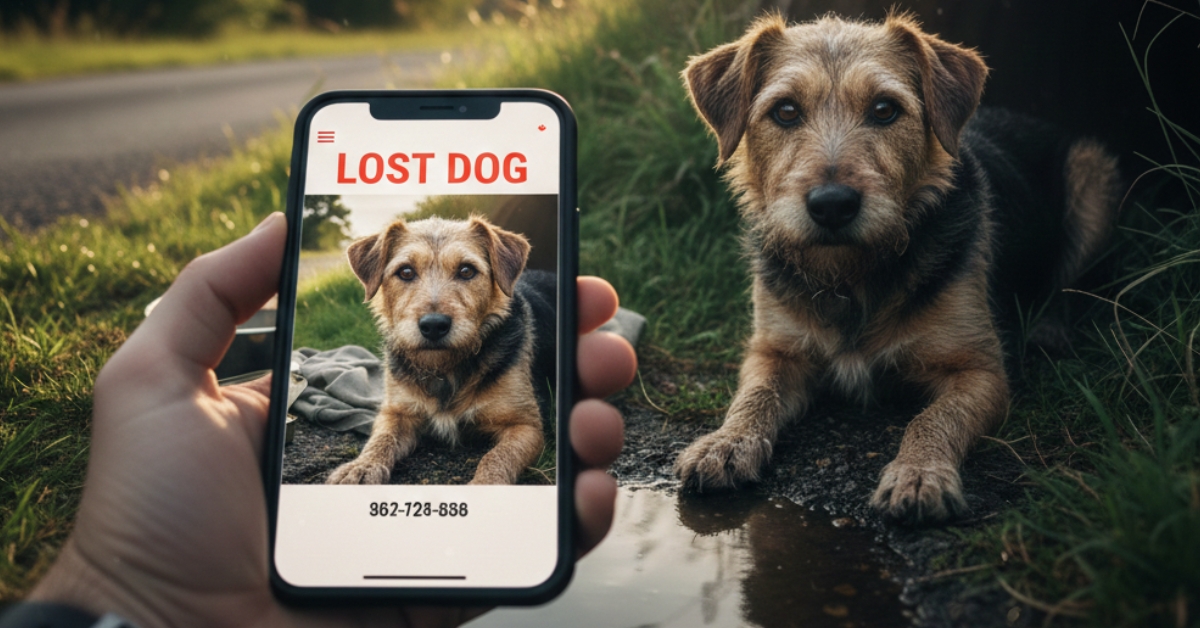
Losing a dog is every pet owner’s nightmare. When a dog gets loss, it’s natural to worry about the Lost Dog Survive Without Food or Water. Understanding how long a lost dog can survive without food or water, along with emergency pet recovery steps, can make a critical difference during the first hours of a pet’s disappearance. Acting quickly and strategically improves the chances of a safe reunion. How Long Can a Lost Dog Survive Without Food or Water?
Understanding Dog Physiology
Dogs are resilient animals, but their survival without food or water depends on several factors, including age, size, health, and environmental conditions.
- Without food: Most healthy dogs can survive for 3–5 days without eating, though this may vary depending on their metabolism, body fat, and prior nutrition. Puppies, senior dogs, or those with medical conditions are at higher risk and may not last as long.
- Without water: Water is far more critical. Dogs may only survive 2–3 days without hydration, especially in hot weather or if they are active while lost. Dehydration can quickly lead to weakness, organ failure, and severe health complications.
Understanding these timeframes emphasizes the importance of swift action during the first hours after a dog goes missing. These moments are critical for recovery and survival that how long can a lost dog survive without food or water?
Focus keywords: lost dog survival without food, pet lost first hours
Immediate Steps to Locate & Help a Missing Dog
The first few hours after your dog goes missing are the most crucial. Following emergency pet recovery steps can significantly improve the odds of finding them alive and safe.
- Search the area immediately: Begin in your neighborhood, nearby parks, and common walking routes. Dogs often hide or get stuck close to home.
- Alert neighbors and local communities: Share a photo, description, and last seen location. Social media and apps like PawBoost can alert volunteers in nearby areas.
- Contact shelters and veterinary clinics: Notify local and nearby shelters, rescues, and vets about your missing dog. Provide up-to-date ID information to ensure they can identify your pet.
- Leave familiar items outside: Placing food, water, and a favorite blanket near your home can attract your dog back safely. Scent is a powerful guide for lost pets.
These emergency steps not only increase the chances of recovery but also help minimize the stress and risk your dog faces while lost.
Focus keywords: emergency pet recovery steps, pet lost first hours

How Microchips & Safety Measures Save Lives
A microchip can be a lifesaver in situations where a dog is lost. Unlike collars, which can fall off or be removed, microchips provide permanent identification and contact information. Always ensure that your dog’s microchip registration is up-to-date.
Other safety measures include when
- ID tags on collars: Include current phone numbers and any special medical information.
- GPS tracking devices: Wearable trackers can help you locate your dog quickly in real-time.
- Secure fencing and leashes: Prevent accidental escapes and reduce the likelihood of a dog becoming lost in the first place.
By combining microchips, ID tags, and proper supervision, you create multiple layers of protection that improve your dog’s survival odds if they ever go missing.
Final Thoughts on Lost Dog Survival
How Long Can a Lost Dog Survive Without Food or Water? While dogs are resilient, their survival without food or water is limited, especially under stress. Acting quickly during the first hours is critical. Following emergency pet recovery steps—such as searching immediately, alerting neighbors, contacting shelters, and leaving familiar items—can make a life-saving difference.
Proper identification through microchips and safety measures not only helps recover lost dogs faster but also ensures they are returned safely, reducing the risk of serious health complications.
Remember, every minute counts when a dog is lost. Awareness, preparation, and quick action are the keys to ensuring your pet survives and returns home safely.
Also Read: My Dog Is Missing What Should I Do Immediately?
How to Find a Missing Dog Fast: Proven Steps Pet Owners Should Take
