
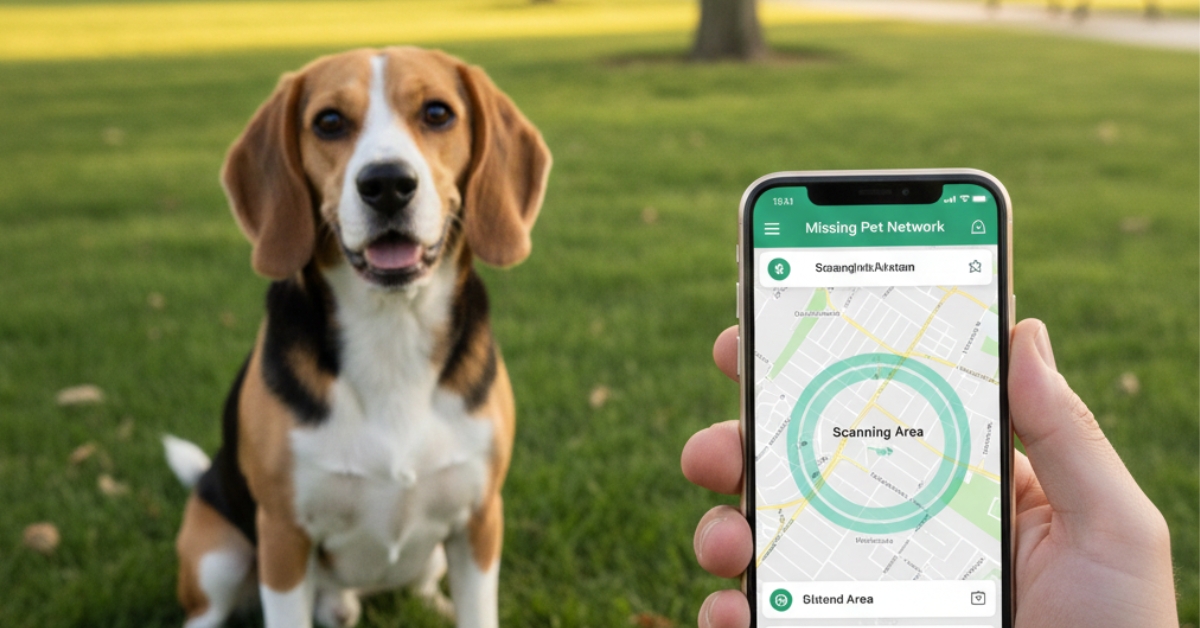
Losing a dog is terrifying — but Lost dog without a collar or ID tags feels even worse. Many pet parents instantly think, “How will anyone know my dog belongs to me?”
Take a deep breath.
Dogs are still found and reunited every day, even without visible identification — if the right steps are taken early.
This guide explains exactly what to do when your dog is missing without a collar or tags, and how microchips, shelters, and modern technology can still bring them home.
Why Collars Fail & Why Microchips Matter
Collars are helpful — but they are not reliable.
Dogs can:
- Slip out of collars
- Break them while running
- Lose them during accidents or fear-based escape
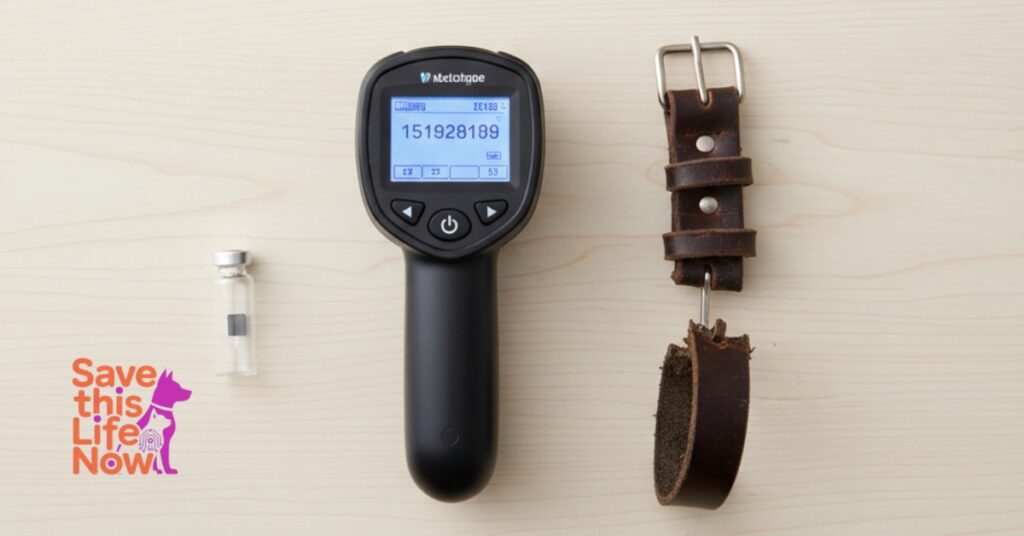
That’s why microchips are so important.
Why microchips save lives
- They can’t fall off
- They provide permanent identification
- Vets and shelters routinely scan found dogs
- They link directly to owner contact details
If your dog is microchipped:
- Call the registry immediately
- Mark your pet as LOST
- Double-check your phone number and address
Microchip registration benefits for pets are only real if the information is accurate and up to date.
If you don’t know which company your dog is registered with, use Pet Microchip Lookup to find it.

Checking Shelters & Vet Clinics
When a dog is found without a collar, most people take them to:
- Animal shelters
- Veterinary clinics
- Local rescue organizations
What you should do
- Call every shelter and vet clinic in your area
- Expand your search radius (20–50 miles)
- Visit shelters in person whenever possible
- Check daily — dogs arrive constantly
Many shelters are legally allowed to hold dogs for only a few days, especially if they have no visible ID.
Do not rely on a single phone call. Persistence matters.

Using Technology to Track Lost Pets
Even without a collar, technology can work in your favor.
Useful tools
- Facebook local lost-pet groups
- Nextdoor
- PawBoost
- PetFBI
- Finding Rover
- Community WhatsApp or neighborhood groups
Post a clear photo, location, and contact number.
Ask people to share, not just like.
Some pet parents also use:
- GPS collar apps (if previously connected)
- Ring / security camera sightings
- Trail cameras near sighting locations
Modern dog tracking technology doesn’t always require a device on your dog — community visibility is often enough.
Humane Traps & Sighting Strategies
If your dog is spotted but won’t approach, this is very common — especially with frightened dogs.
What NOT to do
- Don’t chase
- Don’t shout
- Don’t corner the dog
What works
- Leave food and water near sighting areas
- Place familiar scents (blanket, worn shirt)
- Contact local rescues experienced with humane traps
- Use motion-activated cameras to confirm visits
Humane traps have helped recover thousands of lost dogs who were too scared to come close.
The First Hours Matter Most
The pet lost first hours are critical:
- Start searching immediately
- Alert shelters and vets early
- Activate microchip alerts
- Spread the word locally and online
Dogs without collars are often assumed to be strays — speed is what prevents that mistake.
Final Thoughts
A dog missing without a collar or tags is not a lost cause.
Dogs are reunited every day because:
- Microchips were registered
- Owners acted fast
- Shelters and vets were contacted
- Technology and community support were used
- Owners didn’t give up
If your dog is missing right now, remember this:
Identification can be replaced. Your dog cannot.
Keep searching. Stay visible. Use every option available until your dog is safely home.

2 thoughts on “Lost Dog Without Collar or Tags? Here’s What You Must Do”