
Keeping your pets safe at home is just as important as feeding them healthy food and taking them for regular vet checkups. Many everyday household items and spaces can quietly turn into serious dangers for cats and dogs—often without pet owners realizing it. You will learn about Common Pet Safety Mistakes That Put Dogs and Cats at Risk.
Based on insights from top-ranking pet safety resources, here’s a fully detailed, SEO-optimized guide to the 11 most common pet safety hazards in your home, along with practical prevention tips to protect your furry family members.
1. Electrical Cords and Wiring
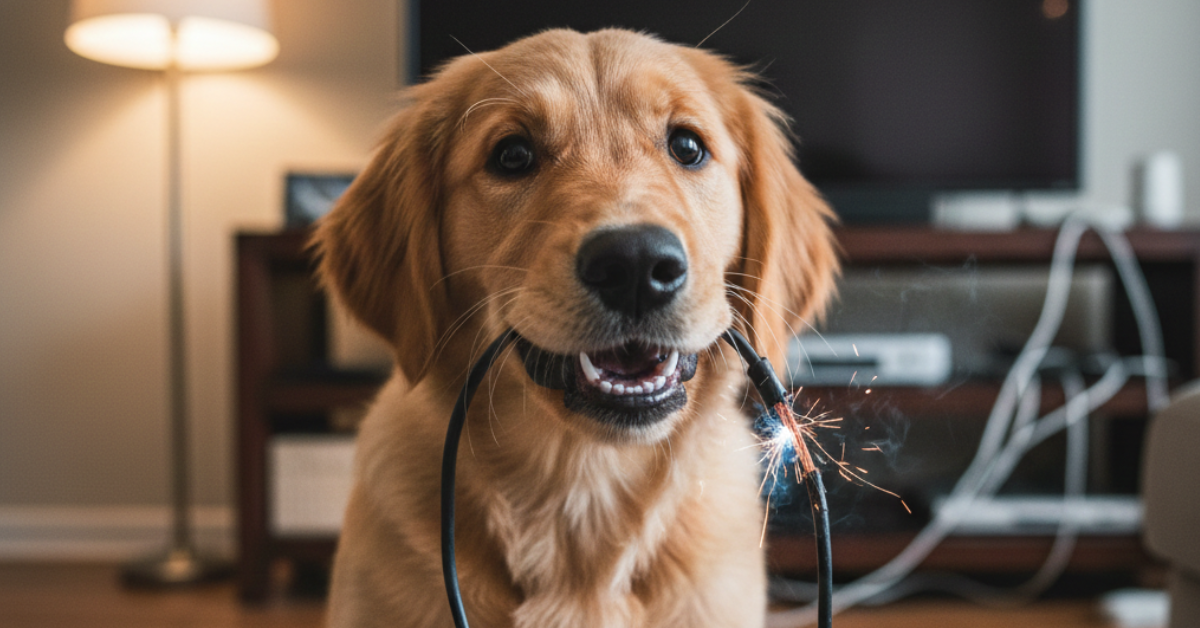
Exposed electrical cords are a major hazard, especially for puppies and dogs that love to chew. Chewing on live wires can cause:
- Severe mouth burns
- Tongue injuries
- Electrocution
How to prevent it:
- Secure cords behind furniture
- Tape cords to walls or floors
- Use cord protectors
- Provide chew toys to reduce boredom-related chewing
Cats are natural climbers and jumpers, making windows and balconies particularly dangerous. Falls from heights—often called high-rise syndrome—can lead to serious injuries or death.
Safety tips:
- Keep windows closed or opened no more than 3–5 cm
- Supervise pets on balconies
- Use pet-safe balcony netting or trellises
- Consider a harness and leash for outdoor access
3. The Kitchen (Toxic Foods)
Many human foods are toxic to pets, and the kitchen is where accidents often happen due to dropped food or unattended plates.
Foods toxic to cats and dogs:
- Chocolate
- Grapes & raisins
- Garlic, onions, chives
- Coffee & caffeine
- Macadamia nuts
- Cooked bones
- Cherry & apricot pits
Always consult your veterinarian before introducing any new food to your pet.
4. Toxic Plants and Flowers
Indoor and outdoor plants can pose serious poisoning risks if ingested.
Toxic plants for dogs:
- Foxglove
- Hyacinth
- Lily of the Valley
- Nightshade
- Rhubarb
Toxic plants for cats:
- Aloe Vera
- Hydrangea
- Mother-in-law’s tongue
- Hyacinth
- Lily of the Valley
What to do:
- Remove toxic plants from your home and garden
- Keep plants out of reach
- Call your vet immediately if ingestion is suspected
5. The Garage
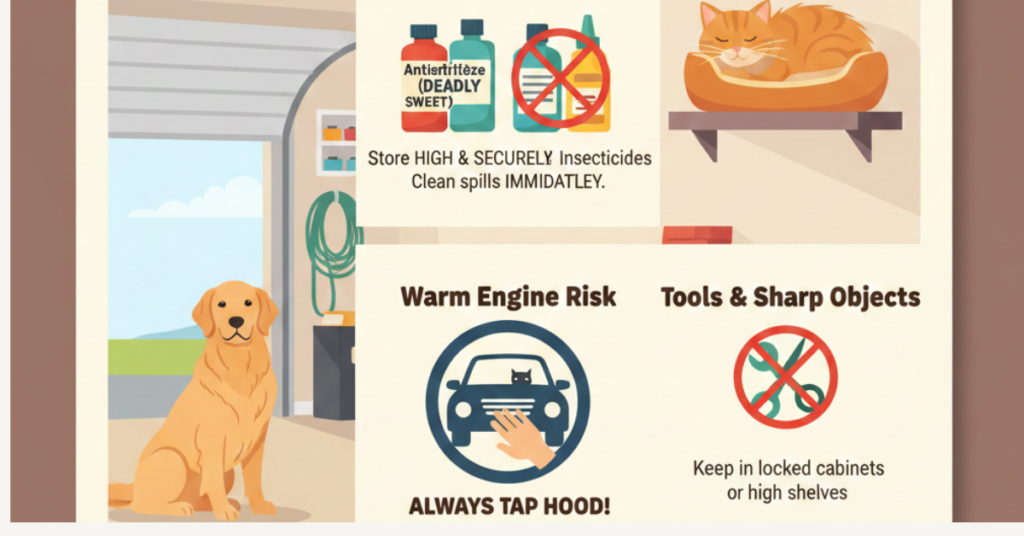
Garages often store dangerous substances such as:https://www.petmd.com/cat/general-health/common-mistakes-made-by-cat-parents
- Antifreeze
- Insecticides
- Rodenticides
- Solvents and chemicals
Additionally, cats may hide inside car engines during cold weather, risking serious injury.
Safety measures:
- Store chemicals in sealed cabinets
- Check under and inside vehicles before starting
- Keep pets out of the garage whenever possible Common Pet Safety Mistakes That Put Dogs and Cats at Risk
6. Carbon Monoxide Exposure
Carbon monoxide (CO) is a silent killer that affects pets even faster than humans due to their smaller size.
Common CO sources:
- Running vehicles
- Gas stoves and ovens
- Fireplaces
- Fuel-burning appliances
Prevention:
- Never leave pets in running cars or enclosed garages
- Install CO detectors in your home
- Maintain and service appliances regularly
7. Washing Machines and Dryers
Cats are attracted to warm, enclosed spaces and may crawl into washers or dryers unnoticed.
Prevention tips:. Human Medications
Human prescription and over-the-counter medications can be deadly to pets—even in small doses.
Common dangers:
- Painkillers
- Antidepressants
- Blood pressure medication
- Sleep aids
Best practice:
- Store all medications in locked cabinets
- Avoid leaving pills on nightstands
- Contact a vet immediately if ingestion occurs
9. Cleaning Products
Household cleaners contain chemicals that can burn skin, damage lungs, and cause poisoning.
Harmful ingredients include:
- Bleach
- Alcohol
- Hydrogen peroxide
Safety tips:
- Keep pets out while cleaning
- Ventilate rooms properly
- Wipe surfaces with water after cleaning
- Store products securely
10. Garden Products
Gardens may contain hidden toxins that pets can ingest while playing.
Common garden hazards:
- Cocoa mulch (contains theobromine)
- Fertilizers with blood or bone meal
- Pesticides and herbicides
- Toxic outdoor plants
Prevention:
- Use pet-safe garden products
- Fence off treated areas
- Supervise outdoor time
11. Essential Oils
While popular for relaxation, essential oils can be harmful to pets—especially cats.
Oils to avoid:
- Tea tree
- Peppermint
- Citrus
- Eucalyptus
- Wintergreen
- Ylang ylang
- Lavender (in high concentrations)
Safety advice:
- Avoid diffusers in shared spaces
- Never apply oils directly to pets
- Store oils securely
- Avoid use if pets have respiratory conditions
Final Thoughts: Pet-Proofing Your Home Saves Lives
Your home should be a safe haven for your pets—not a hidden danger zone. While it’s impossible to eliminate every risk, awareness and prevention go a long way in keeping your cats and dogs healthy and safe.
When in doubt, always consult your veterinarian. Acting early can prevent emergencies and save your pet’s life.
🐾 A safe home is a happy home—for you and your pets.
