


Every dog owner knows a healthy, happy dog is a cherished family member. But what happens when your dog is not eating or goes missing? Understanding the causes and knowing how to respond quickly can save your dog’s life and ease your anxiety.
This guide explains why your dog may stop eating, how long a dog can survive without food or water, and what to do your dog isn’t eating or goes missing.

Why Is My Dog Not Eating?
Dog not eating can be alarming, but it doesn’t always indicate a severe illness. Common causes include:
Medical Causes:
- Gastrointestinal issues: Vomiting, diarrhea, constipation, ulcers, or IBD
- Organ dysfunction: Kidney failure, liver disease, pancreatitis, diabetic ketoacidosis
- Dental problems: Painful or broken teeth
- Tumors or cancer affecting appetite
- Side effects from medications
Behavioral Causes:
- Stress, anxiety, or phobias
- Cognitive decline in senior dogs
- Fear from loud noises (fireworks, storms)
Environmental and Dietary Factors:
- Changing food suddenly or moving bowls
- Overfeeding treats or human food
- New pets, houseguests, or renovations causing stress
How to Encourage Your Dog to Eat
- Warm the food to enhance aroma
- Offer bland foods like boiled chicken and rice
- Add food toppers or wet food for palatability
- Reduce stress and create a calm feeding space
Note: Adult dogs can survive 3–5 days without food if hydrated, but puppies and diabetic dogs require immediate veterinary attention.
How Long Can Dogs Survive Without Water?
Water is more critical than food in the short term. Dogs can survive up to 72 hours without water, but dehydration signs appear after the first 24 hours when your dog isn’t eating or goes missing
Signs of Dehydration:
- Dry nose and gums
- Sunken eyes
- Low skin elasticity
- Dark or minimal urine
- Lethargy
What to do: Provide fresh water immediately. Severe dehydration is a medical emergency.
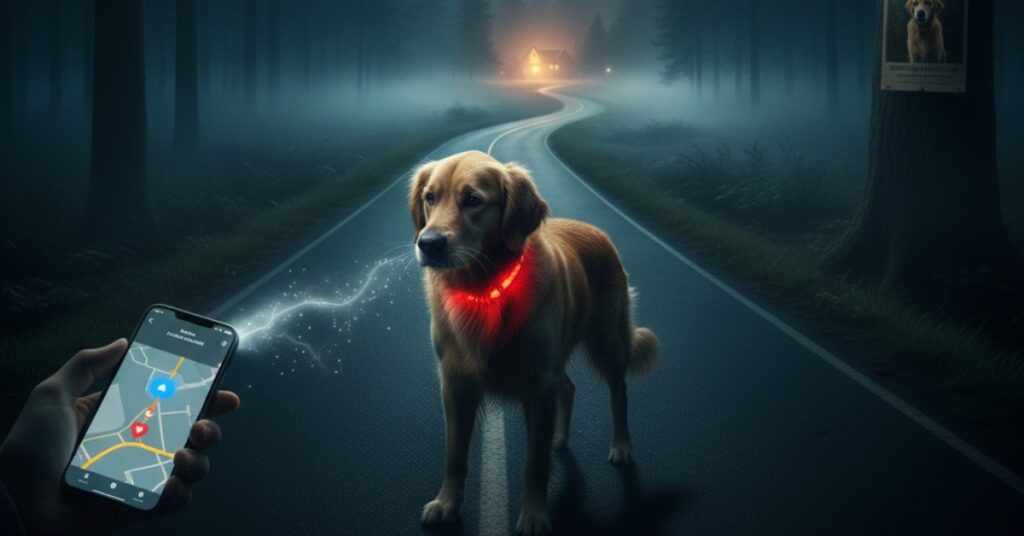
When Dogs Go Missing: Will They Come Back?
When dog goes missing, Dogs have a strong homing ability. Studies show 93% of missing dogs eventually reunite with their owners. Dogs rely on their sense of smell, which is far more sensitive than humans, to navigate familiar areas. when your dog isn’t eating or goes missing
Why Dogs Run Away:
- Fear or sudden loud noises
- Separation anxiety or boredom
- Chasing prey or following scent trails
- Curiosity in new environments
How to Find a missing Dog
Act Quickly: First 24 hours are crucial.
Search Home & Neighborhood:
- Check hiding spots (under beds, in garages, bushes, sheds)
- Bring favorite toys or treats to lure your dog
Notify Authorities & Shelters:
- Report to local animal shelters, rescues, and police
- Monitor lost/found pet websites and social media
Create Flyers:
- Include your dog’s name, photo, description, and contact info
- Place in high-traffic areas and vet offices
Use Technology:
- GPS trackers or microchips
- Post in neighborhood social media groups
Stay Calm & Persistent: Dogs are often more active at dawn and dusk

Preventive Measures to Stop Dogs goes missing
- Spay or neuter to reduce roaming instincts
- Obedience training: Teach “come,” “stay,” and “heel” commands
- Supervise with a leash or fenced yard
- Provide daily exercise and mental stimulation
- Know your breed’s roaming tendencies
Quick Reference Table for the dog safety when goes missing
| Situation | Action |
|---|---|
| Dog not eating (adult) | Monitor 24–48h, provide appealing food, consult vet |
| Dog not eating (puppy/diabetic) | Contact vet immediately |
| Dog missing | Search neighborhood, notify shelters, post flyers, use GPS |
| Signs of dehydration | Offer water, check gums/skin, seek vet if severe |
| Prevent roaming | Training, spay/neuter, daily exercise, supervision |
Conclusion
Immediate Action is Critical
Whether your dog isn’t eating or goes missing, acting quickly can prevent dehydration, illness, or injury.
Monitor Health Closely
Keep an eye on appetite, water intake, and behavior. Puppies, diabetic dogs, or senior dogs require urgent care if they stop eating.
Preventive Care Matters
Regular vet check-ups, vaccinations, and proper diet help reduce medical emergencies.
Training & Supervision Prevent Problems
Obedience training, spaying/neutering, daily exercise, and supervision minimize the risk of your dog running away.
Dogs Are Resilient, But Guidance is Vital
Dogs have strong instincts and homing ability, but your prompt response, safe environment, and preventive care ensure they thrive.
Read more articles
